
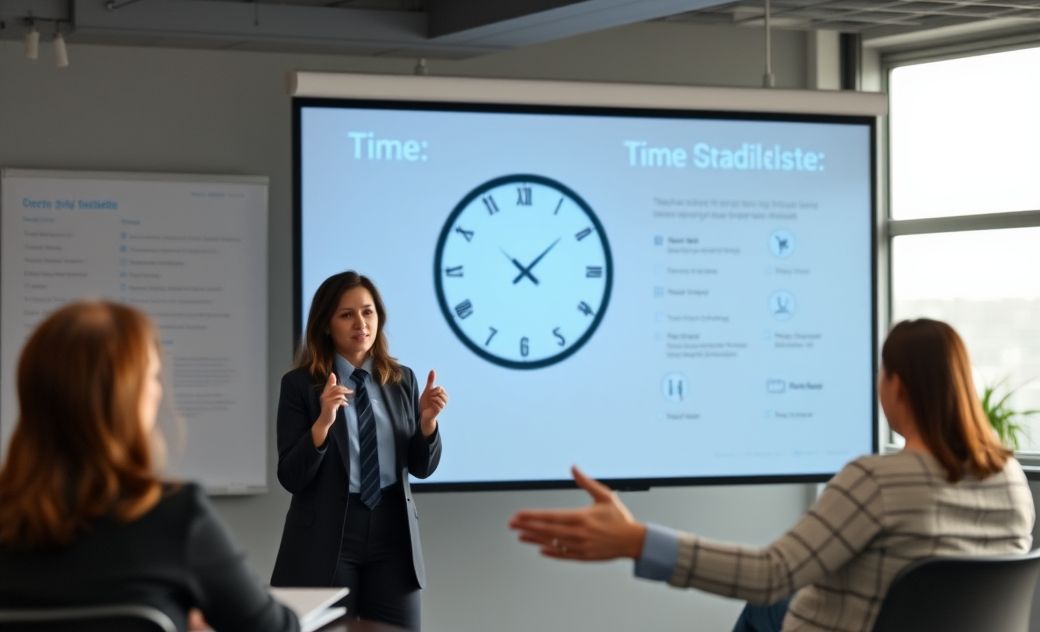
As we navigate the rapid changes in the work environment, influenced by technological advancements and evolving professional demands, time management stands out as a vital skill for success. By 2025, mastering time management will be even more critical as professionals juggle multiple responsibilities in an increasingly interconnected world. Here’s a look at the time management skills that will define successful professionals in 2025.
Embracing Technology and Automation
In 2025, leveraging technology will no longer be optional but necessary for effective time management. Successful professionals will need to harness automated tools to streamline tasks and reduce manual workload.
Using AI-Powered Scheduling
AI scheduling tools can optimize calendar management by analyzing patterns and suggesting the best times for meetings. This ensures that professionals can allocate time for uninterrupted work without neglecting collaborative responsibilities.
Project Management Software
Collaborative platforms like Asana, Trello, and Monday.com will be essential for tracking project timelines and maintaining team accountability. These tools provide clear visibility on task progress and deadlines, helping set realistic goals and manage workloads efficiently.
Prioritization Foundations
The ability to prioritize tasks effectively will become indispensable as workloads increase. Understanding which tasks hold the most value is key to maintaining productivity and achieving long-term goals.
Adopting the Eisenhower Matrix
By categorizing tasks based on urgency and importance, professionals can focus their efforts on activities that provide the greatest impact. The Eisenhower Matrix encourages people to strategically allocate time to critical tasks rather than reacting to what feels most pressing.
Setting SMART Goals
Specific, Measurable, Achievable, Relevant, and Time-bound (SMART) goals ensure clarity and provide a framework for evaluating progress. Setting SMART goals maintains motivation and directs focus on what truly matters, aiding in effective time allocation.
Mastering the Art of Saying No
In a future filled with potential distractions and additional responsibilities, learning to say no will be a necessary skill. This involves turning down requests that do not align with personal or organizational objectives.
Recognizing Overcommitment
Successful professionals will recognize their limits and avoid taking on more than they can handle. This protects their mental well-being and enables them to focus on high-priority tasks without compromising quality.
Effective Boundary Setting
Setting clear boundaries in professional environments ensures that time is invested in activities aligned with one’s goals. Developing this skill allows individuals to communicate effectively when declining additional commitments, leading to more focused and efficient work.
Fostering a Flexible Work Mindset
The year 2025 will demand adaptability, with dynamic work environments continually changing. Flexibility in mindset will allow professionals to adjust their schedules while maintaining productivity.
Time Blocking Techniques
Allocating specific blocks of time for different tasks allows flexibility within a structured format. This method helps in adjusting to unpredictable shifts in workload while ensuring essential tasks receive adequate attention.
Adapting to Remote Work Paradigms
As remote and hybrid working models become more prevalent, professionals will need to manage time zones and diverse working hours. Adapting to varied work hours ensures productivity without infringing on personal time, striking a balance between professional obligations and personal well-being.
In conclusion, as we approach 2025, successful professionals will emerge from those who not only manage their time effectively but also adapt to and anticipate changes in the working landscape. By leveraging technology, prioritizing tasks wisely, mastering the art of setting boundaries, and adopting a flexible mindset, professionals can excel in their fields amidst evolving demands.
