
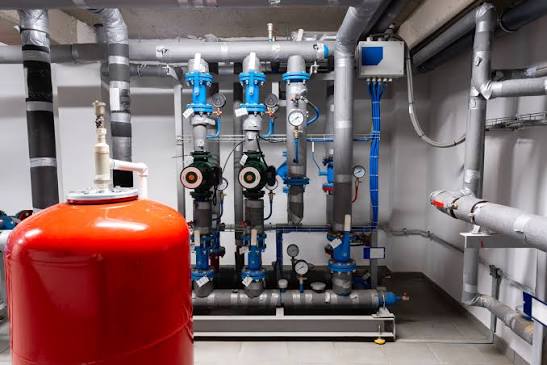
Hot water is a critical utility for many businesses, from hotels and restaurants to healthcare facilities and manufacturing plants. Choosing the right commercial hot water system can significantly impact operational efficiency, energy costs, customer satisfaction, and long-term maintenance expenses. With numerous options available on the market, selecting the most suitable system requires careful consideration of your business’s unique needs.
Whether you’re upgrading an outdated setup or installing a new system, understanding the key factors involved will help you make an informed investment.
In today’s competitive business environment, investing in the best commercial hot water systems for business operations can improve energy efficiency, reduce downtime, and ensure a reliable supply of hot water when it is needed most. The right system not only supports daily operations but also contributes to long-term cost savings and sustainability goals.
Understand Your Hot Water Demand
The first step in choosing a commercial hot water system is assessing your business’s hot water requirements.
Consider factors such as:
- Daily hot water consumption
- Peak usage periods
- Number of users or customers
- Type of business operations
- Future expansion plans
For example, a hotel with hundreds of guests will require a significantly larger capacity than a small café. Understanding your demand profile helps ensure that the system can meet operational needs without excessive energy consumption.
Explore the Different Types of Commercial Hot Water Systems
There are several types of commercial hot water systems available, each designed for specific applications.
Storage Tank Systems
These systems heat and store water in insulated tanks for immediate use.
Advantages:
- Reliable hot water supply
- Suitable for high-demand environments
- Lower initial installation costs
Considerations:
- Larger space requirements
- Potential standby heat loss
Tankless (On-Demand) Systems
Tankless units heat water only when needed, eliminating the need for storage.
Advantages:
- Improved energy efficiency
- Continuous hot water supply
- Compact design
Considerations:
- Higher upfront costs
- May require multiple units for large facilities
Heat Pump Water Heaters
These systems transfer heat from the surrounding air to heat water.
Advantages:
- Excellent energy efficiency
- Lower operating costs
- Environmentally friendly
Considerations:
- Higher installation investment
- Performance can vary with climate conditions
Solar Hot Water Systems
Solar systems use renewable energy from the sun to heat water.
Advantages:
- Reduced energy bills
- Lower carbon footprint
- Long-term savings
Considerations:
- Weather-dependent performance
- Higher initial setup costs
Consider Energy Efficiency
Energy costs represent a significant portion of operating expenses for businesses that rely heavily on hot water.
When evaluating systems, look for:
- High energy-efficiency ratings
- Smart controls and monitoring features
- Energy Star certifications where applicable
- Advanced insulation technology
An energy-efficient commercial hot water system may cost more initially but can provide substantial savings over its lifespan through reduced utility bills.
Evaluate Fuel Sources
Commercial water heaters can operate using various fuel sources.
Common options include:
- Natural gas
- Electricity
- Propane
- Solar energy
- Hybrid systems
The best fuel source depends on local utility rates, infrastructure availability, environmental goals, and long-term operating costs.
For many businesses, natural gas offers lower operating costs, while electric and hybrid systems may align better with sustainability initiatives.
Assess Installation Requirements
Before selecting a system, evaluate the installation environment.
Important considerations include:
- Available floor space
- Ventilation requirements
- Existing plumbing infrastructure
- Electrical capacity
- Local building regulations
A system that perfectly matches your hot water demand may still be impractical if your facility lacks the necessary installation conditions.
Working with experienced commercial plumbing professionals can help identify the most suitable options for your property.
Think About Maintenance and Reliability
A commercial hot water system is a long-term investment, making reliability essential.
Look for systems that offer:
- Proven performance records
- Easy access for maintenance
- Readily available replacement parts
- Strong manufacturer warranties
- Local service support
Routine maintenance can extend system life and reduce the risk of unexpected breakdowns that could disrupt business operations.
Plan for Future Growth
Many businesses focus only on their current needs when selecting equipment. However, future growth should also be part of the decision-making process.
Ask yourself:
- Will customer demand increase?
- Are facility expansions planned?
- Could operating hours change?
- Will staffing levels grow?
Choosing a scalable system can prevent costly upgrades or replacements in the near future.
Compare the total cost of ownership.
The lowest purchase price does not always represent the best value.
When comparing options, calculate the total cost of ownership, including:
- Initial purchase cost
- Installation expenses
- Energy consumption
- Maintenance costs
- Expected lifespan
- Repair and replacement costs
A higher-quality system with lower operating expenses may deliver significantly greater value over time.
Key Questions to Ask Before Purchasing
Before making a final decision, consider the following questions:
- What is my peak hot water demand?
- Which fuel source offers the best long-term savings?
- How energy-efficient is the system?
- What maintenance requirements are involved?
- Is the system scalable for future growth?
- What warranty and service support are available?
- How long is the expected lifespan?
Answering these questions can help narrow your options and ensure the system aligns with your business objectives.
Conclusion
Choosing the right commercial hot water system is about more than simply providing hot water. It’s about supporting operational efficiency, controlling energy costs, maintaining customer satisfaction, and preparing your business for future growth. By carefully evaluating hot water demand, system type, energy efficiency, fuel options, maintenance requirements, and total ownership costs, businesses can confidently invest in a solution that delivers reliable performance for years to come. Taking the time to make an informed decision today can result in significant savings and operational benefits well into the future.
