
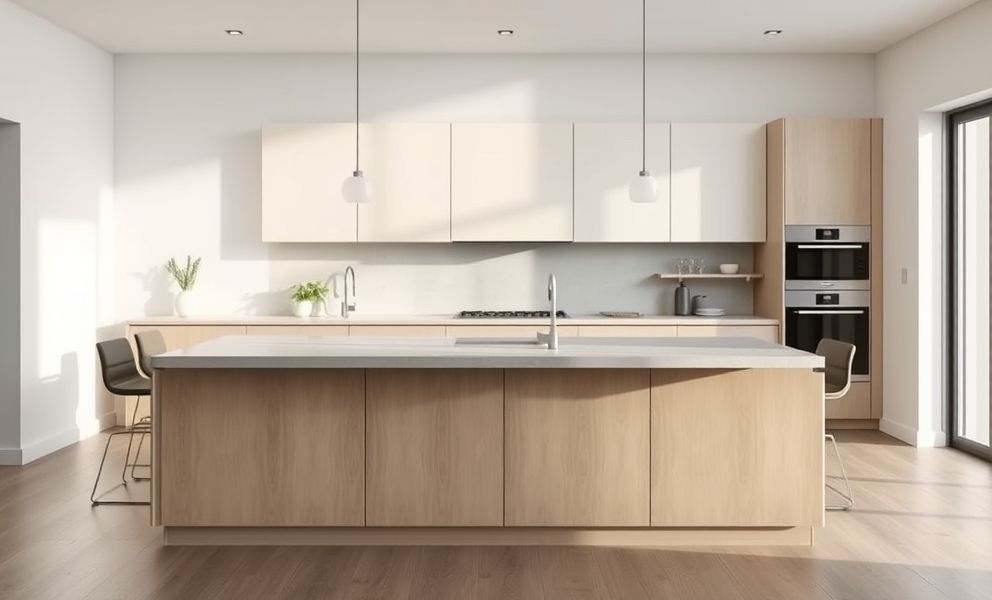
Picture this: you’re hosting a dinner party, and your guests naturally gravitate toward the heart of your home—the kitchen. They’re chatting, sipping wine, and you’re effortlessly preparing appetizers on a beautiful centerpiece that ties the entire space together. That’s the magic of a well-designed kitchen island. But before you dive into this exciting home improvement project, you need to understand what it will truly cost you.
Understanding Kitchen Island Costs: What You Need to Know
Kitchen islands have evolved from simple prep stations to multifunctional hubs that serve as cooking centers, dining areas, and social gathering spots. The cost of adding this versatile feature to your kitchen can range from a few hundred dollars for a basic rolling cart to over $50,000 for a luxury custom design. The final price tag depends on several key factors that we’ll explore in detail.
Average Kitchen Island Cost Breakdown
The national average cost for a kitchen island installation falls around $19,250, but this number can be misleading without context. Let’s break down what you can expect at different price points:
- Budget-friendly options: $500 – $6,000
- Mid-range installations: $6,000 – $24,000
- High-end custom designs: $24,000 – $50,000+
These ranges account for materials, labor, and any additional features you might want to include. Remember that your geographic location, the complexity of your project, and current market conditions can all influence the final cost.
Kitchen Island Cost by Grade and Quality
Basic Kitchen Islands ($3,000 – $6,000)
Basic kitchen islands are perfect for homeowners who need additional counter space and storage without breaking the bank. These typically feature:
- Stock or semi-custom cabinet bases
- Laminate or basic solid surface countertops
- No plumbing or electrical components
- Simple storage solutions like open shelves or basic drawers
These islands work well in smaller kitchens or as temporary solutions while you save for a more permanent upgrade. The average cost for a basic island is around $4,500.
Upper Basic Kitchen Islands ($14,000 – $20,000)
Stepping up to an upper basic island means better materials and more functionality. For approximately $17,000 on average, you’ll get:
- Higher-quality countertops like quartz or granite
- Semi-custom cabinetry with better finishes
- Additional storage features like pull-out organizers
- Basic electrical outlets for small appliances
This level offers a good balance between quality and affordability, making it popular among homeowners who want durability without luxury pricing.
Mid-Range Kitchen Islands ($17,000 – $24,000)
Mid-range islands represent the sweet spot for many homeowners, offering customization and premium features at a reasonable price point. Expect to pay around $20,500 for:
- Custom-built cabinetry tailored to your space
- Integrated sinks or cooktops
- High-quality countertop materials like quartz or granite
- Built-in appliances such as microwaves or small dishwashers
- Professional design consultation
These islands often become the functional centerpiece of the kitchen, providing both practical benefits and aesthetic appeal.
Premium Luxury Kitchen Islands ($20,000 – $50,000+)
For those seeking the ultimate kitchen statement piece, premium islands offer unparalleled quality and customization. With an average cost of $35,000, luxury islands feature:
- Fully custom cabinetry with high-end finishes
- Premium countertop materials like marble, quartzite, or exotic stones
- Waterfall edges that create a seamless look
- Advanced appliances including wine coolers, warming drawers, or built-in grills
- Custom lighting and specialized storage solutions
- Professional installation with attention to every detail
These islands are designed to be the focal point of high-end kitchens and often include features that cater to specific cooking styles or entertainment needs.
Prefab vs. Custom Kitchen Islands: Which Is Right for You?
Prefabricated Kitchen Islands ($500 – $5,000)
Prefabricated islands come ready-made from manufacturers and offer several advantages:
- Cost-effective: Significantly cheaper than custom options
- Quick installation: Often ready to use within days
- Portable options: Many can be moved if you rearrange your kitchen
- Standard sizes: Easy to find options that fit common kitchen layouts
However, prefab islands have limitations. They offer limited customization and may not perfectly fit unique kitchen spaces. They’re ideal for budget-conscious homeowners or those who need a temporary solution.
Custom-Built Kitchen Islands ($5,000 – $50,000+)
Custom islands are designed specifically for your kitchen and needs:
- Perfect fit: Tailored to your exact space and layout
- High-quality materials: Access to premium options not available in prefab models
- Unique features: Custom storage, specialized surfaces, and personalized design elements
- Long-term value: Built to last with quality craftsmanship
The main drawbacks are higher cost and longer installation times. Custom islands require professional design and construction, which adds to both the timeline and budget.
Key Factors That Influence Your Kitchen Island Cost
Size and Dimensions
The size of your island is one of the biggest cost drivers. Larger islands require more materials and labor. Standard sizes range from 2×4 feet for basic models to 4×8 feet for luxury versions. Remember to leave at least 42-48 inches of clearance around the island for comfortable movement.
Material Choices
Your material selections dramatically impact the final cost:
- Countertops: Laminate ($15-40/sq ft) vs. Quartz ($50-120/sq ft) vs. Marble ($100-250/sq ft)
- Cabinetry: Stock cabinets ($100-300/linear ft) vs. Custom cabinets ($500-1,200/linear ft)
- Flooring: Matching your existing floor adds to the cost
- Specialty materials: Exotic woods, metal accents, or glass elements increase prices
Additional Features and Appliances
Each feature you add increases the complexity and cost:
- Sink installation: Adds $500-2,000 for plumbing
- Cooktop or range:</strong$1,000-5,000+ for installation and ventilation
- Electrical outlets: $150-500 per outlet
- Specialty appliances: Wine coolers ($800-3,000), warming drawers ($400-1,200), etc.
- Storage solutions: Pull-out shelves, spice racks, and specialized organizers add $200-800 each
Utility Connections
Adding plumbing or electrical requires professional work:
- Plumbing: $500-2,000 depending on distance from existing lines
- Electrical: $300-1,000 for outlets and lighting
- Gas lines: $400-1,200 if adding a gas cooktop
- Ventilation: $500-2,500 for proper range hood installation
Design Complexity
Custom designs with unique shapes, angles, or specialized features cost more than simple rectangular islands. Curved edges, multiple levels, or integrated seating all add to the design complexity and price.
DIY vs. Professional Installation: What’s Best for Your Budget?
DIY Kitchen Island Installation ($750 – $1,500)
Building your own island can save money if you have the necessary skills:
- Pros: Lower cost, complete control over design, personal satisfaction
- Cons: Requires time and expertise, potential for mistakes, may lack professional finish
- Best for: Simple designs using stock cabinets, homeowners with construction experience
DIY projects work well for basic islands without plumbing or electrical components. For complex features, professional help is recommended.
Professional Installation ($3,000 – $50,000)
Hiring professionals ensures quality results:
- Pros: Expert craftsmanship, proper utility connections, warranty protection, time savings
- Cons: Higher cost, less control over timeline, dependency on contractor availability
- Best for: Custom designs, complex features, homeowners wanting guaranteed results
Professional installation is essential for islands with sinks, cooktops, or electrical components to ensure safety and compliance with building codes.
Smart Ways to Save on Your Kitchen Island Project
Size Optimization Strategies
You don’t need a massive island to gain functionality:
- Consider a smaller island that still provides prep space and storage
- Use a peninsula design if space is limited
- Opt for a mobile cart that can be stored when not in use
- Choose a multi-level design with a smaller footprint
Budget-Friendly Material Choices
Smart material selections can significantly reduce costs:
- Choose laminate or solid surface countertops instead of natural stone
- Use stock cabinets rather than custom-built options
- Consider painted rather than stained wood finishes
- Opt for open shelving instead of expensive cabinet doors
- Use less expensive flooring materials that complement rather than match existing floors
Feature Selection Tips
Prioritize features based on your actual needs:
- Start with essential features and add others later
- Consider portable appliances instead of built-in versions
- Use freestanding lighting rather than built-in options
- Skip expensive decorative elements that don’t add functionality
- Choose standard sizes for appliances and components
Timing and Planning Strategies
When you build can affect costs:
- Plan your project during contractors’ off-peak seasons
- Order materials during sales or promotions
- Consider phased installation to spread out costs
- Get multiple quotes from different contractors
- Be flexible with material availability to avoid premium charges
Maximizing Your Return on Investment
A well-designed kitchen island can significantly increase your home’s value. According to real estate experts, kitchen improvements typically return 60-80% of their cost at resale. Islands are particularly valuable because they:
- Create additional functional space
- Improve kitchen workflow and efficiency
- Serve as a visual focal point
- Provide entertainment and gathering space
- Offer storage solutions that appeal to buyers
To maximize ROI, focus on timeless designs, quality materials, and features that appeal to broad buyer preferences.
Planning Your Kitchen Island Project: Step-by-Step Guide
- Assess your needs: Determine how you’ll use the island (prep space, dining, storage, etc.)
- Measure your space: Ensure adequate clearance and proper proportions
- Set your budget: Be realistic about what you can afford
- Research options: Look at different styles, materials, and features
- Get professional advice: Consult with designers or contractors
- Create a detailed plan: Include measurements, materials, and timeline
- Obtain necessary permits: Especially if adding utilities
- Schedule the work: Coordinate with contractors and suppliers
- Prepare the space: Clear the area and protect surrounding surfaces
- Monitor progress: Stay involved throughout the installation process
FAQ
What is the most affordable kitchen island option?
A rolling kitchen cart or basic prefabricated island with stock cabinets and laminate countertops offers the most budget-friendly solution, starting around $500. These provide additional prep space and storage without permanent installation costs.
Do kitchen islands actually increase home value?
Yes, well-designed kitchen islands consistently add value to homes. They improve functionality, create better traffic flow, and serve as attractive focal points that appeal to potential buyers. Most real estate professionals consider islands desirable features that can justify higher asking prices.
Can I install a kitchen island myself?
DIY installation is possible for simple islands without plumbing or electrical components. Using stock base cabinets and basic countertops, many homeowners successfully build their own islands. However, for complex features or utility connections, professional installation is strongly recommended to ensure safety and quality results.
How much does a kitchen island with sink and cooktop cost?
Adding a sink and cooktop significantly increases costs due to plumbing, electrical, and ventilation requirements. Expect to pay between $10,000 and $50,000 depending on materials, appliance quality, and installation complexity. Premium materials and high-end appliances can push costs toward the upper end of this range.
What are the ideal dimensions for a kitchen island?
Standard kitchen islands typically measure 2-4 feet wide by 4-8 feet long. The ideal size depends on your kitchen’s dimensions and intended use. Ensure at least 42-48 inches of clearance on all sides for comfortable movement. For islands with seating, allow 24-30 inches per person.
How long does kitchen island installation take?
Installation timelines vary widely based on complexity. Prefab islands can be installed in 1-3 days, while custom designs may take 2-6 weeks. Projects requiring utility connections or structural modifications typically take longer. Always factor in additional time for material delivery and potential delays.
What maintenance do kitchen islands require?
Maintenance needs depend on materials used. Natural stone countertops require periodic sealing, while quartz surfaces need only basic cleaning. Wood surfaces may need refinishing over time. Regular cleaning and immediate spill cleanup will keep your island looking its best for years.
Final Thoughts on Kitchen Island Costs
Investing in a kitchen island can transform your cooking space from functional to fabulous. While costs vary significantly based on your choices, there’s an option for every budget. The key is balancing your desires with practical considerations like space, functionality, and long-term value.
Remember that a kitchen island is more than just additional counter space—it’s an investment in your home’s functionality and appeal. Whether you choose a simple rolling cart or a luxurious custom design, proper planning and smart choices will ensure you get the most value from your investment.
Start by assessing your needs, setting a realistic budget, and exploring options that match your kitchen’s style and layout. With careful planning and the right approach, you can create the perfect kitchen island that enhances your home for years to come.
