
Before placing a bet on M88 , it is important to understand the rules of the game and have a specific strategy. The following tips will not only help you win more, but also help you play smart, disciplined and less dependent on luck.

#1. Read your opponents to judge their cards and strategies
This is a core skill in Poker. When you know whether your opponent is holding strong or weak cards, you can adjust your play accordingly.
Watch their behavior, the timing of their bets, and how they react when they lose or win. For example, if your opponent bets big after the flop, they likely have a strong hand. On the other hand, if they check repeatedly, they may be waiting or bluffing.
A good player can always “read” other people’s minds, not just look at his cards.
#2. Protect your Big Blind smartly and strategically
The Big Blind is the position where you are forced to bet without seeing your cards. Therefore, protecting the Big Blind is one of the most important strategies.
Don’t let your opponent “steal” your Big Blind with a small raise. However, don’t protect every weak hand. Protect your Big Blind when you have a strong hand or are in good position, especially when your opponent is in late position.
#3. Fold when you are unsure to avoid losing more money

One of the biggest mistakes beginners make is holding on to cards they know they’re weak against. Poker isn’t about “stubbornness” – it’s about those who fold at the right time.
If you are unsure of your hand or suspect your opponent has a stronger hand, fold. It is better to lose a small hand than to lose everything because of greed.
Experience: M88 msports login Poker is currently the most popular online card game on the betting market, with easy gameplay to win big. Refer to the experience of playing online poker to win big.
#4. Strike hard when your opponent appears weak
In Poker, when your opponent shows hesitation – checking repeatedly or calling small – it is a golden opportunity for you to attack.
A strong raise or c-bet (continuation bet) in this situation can force your opponent to fold, even if you don’t have a strong hand. This strategy helps you control the table and put psychological pressure on others.
#5. Bankroll management for long-term poker play
There is no strategy more important than money management. Set a limit for each session – use no more than 5% of your total bankroll for one table. When you lose a series, take a break, do not let emotions control you and make you “burn” your bankroll.

A successful player is not the one who wins many hands, but the one who knows how to survive long term at the Poker table.
#6. Bluff your opponents at the right time to confuse them
Bluff is the “secret weapon” in Poker, but it must be used strategically.
Bluffing too often will get you caught. Only bluff when:
- You are at the bottom, with information on other people’s actions.
- The community cards on the board can trick your opponents into believing you have a strong hand.
Bluffing at the right time can win you the game without having a good hand.
#7. Pay attention to position to gain an advantage when betting
Position is a deciding factor in Poker. The person sitting at the end of the betting round (dealer or cutoff) has a huge advantage because he can see what other players are doing before making a decision.
If you are in an early position, play conservatively and only engage with a strong hand. If you are in a late position, you can be more aggressive or bluff smarter.
#8. Control your emotions and stay calm in every game
Poker is a game of psychology. If you lose your cool, you can make the wrong decision.
Whether you win big or lose big, stay calm and focused. If you feel tired, stop. Strong emotions = bad judgment – that is the immutable rule in Poker.
#9. Understand probability and odds to make better decisions
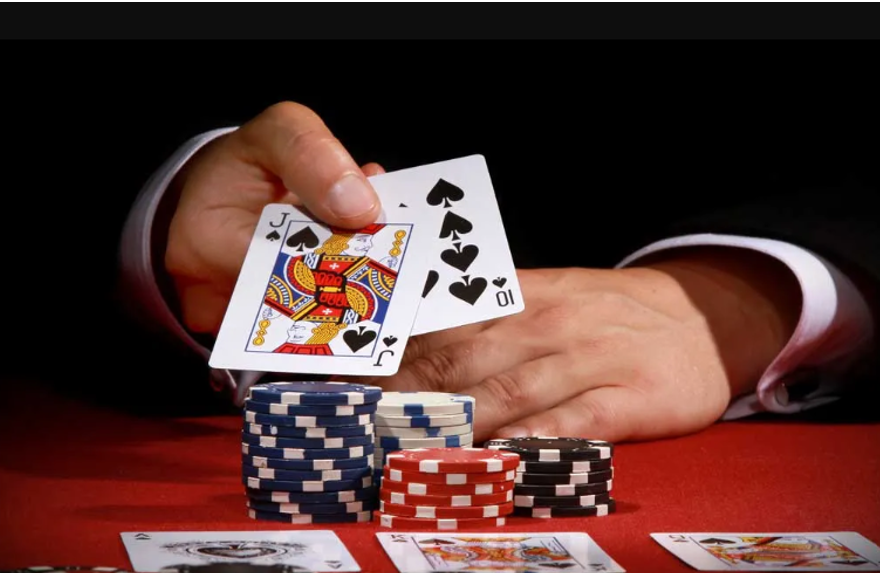
A good player always understands his odds.
Knowing the odds of getting a flush, straight, or full house helps you decide whether to call, raise, or fold. For example, if the odds are low and the pot isn’t attractive enough, fold early to reduce your losses.
Probabilistic thinking helps you play strategically, not emotionally.
#10. Know when to stop to preserve capital and spirit
Sometimes, stopping is winning.
If you are on a losing streak or are mentally unstable, take a break. Trying to “recover” losses will only cost you more money. Poker is a long-term game – the one who knows when to quit is the long-term winner.
Where to play Poker safely and most reputable
Once you have mastered poker tricks to win , choosing a reputable Poker floor is equally important. Prioritize platforms with legal operating licenses, high security systems and transparent payments.

Some famous brands like W88 Poker are highly appreciated by the international community for their reputation, friendly interface and many betting tables suitable for all levels of players.
Conclusion:
Poker is not only a game of entertainment, but also a lesson in thinking, patience and emotional control. Applying the above 10 tips, you will not only improve your chances of winning but also gain a deeper understanding of the art of playing professional Poker. Remember, the winner is not always the one with the strongest hand – but the one with the smartest hand.
