
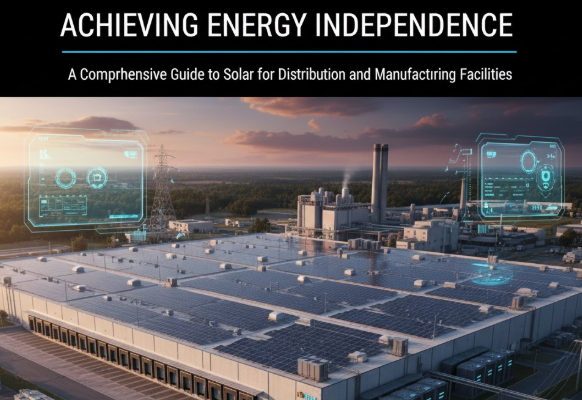
In today’s rapidly evolving energy landscape, achieving energy independence is becoming an essential goal for businesses, particularly those in energy-intensive sectors like distribution and manufacturing. With rising energy costs, increasing environmental regulations, and a growing demand for sustainability, solar energy has emerged as a game-changer. Solar power for distribution and manufacturing facilities offers a way to reduce reliance on traditional energy sources, lower operational costs, and meet sustainability goals. In this comprehensive guide, we’ll explore how solar energy can drive energy independence for manufacturing and distribution businesses and provide a roadmap for successfully integrating solar power into their operations.
Why Solar Energy Matters for Distribution and Manufacturing Facilities
Manufacturing and distribution facilities are some of the largest energy consumers in the industrial sector. With high energy demands driven by machinery, production lines, heating and cooling systems, and lighting, these businesses often face steep energy bills that can cut into profit margins. Additionally, the volatility of energy prices and the growing environmental concerns about carbon emissions make traditional energy sources less viable for long-term operations.
By switching to solar energy, these facilities can:
- Reduce dependency on grid power and volatile energy prices
- Cut energy costs and improve profitability
- Achieve long-term sustainability and meet environmental goals
- Enhance energy security by generating on-site power
Solar power provides a stable and predictable energy source, which is critical for large-scale operations in the distribution and manufacturing sectors. Solar for distribution and manufacturing facilities is not just an investment in green energy but also in the future of the business, helping companies stay competitive in an increasingly environmentally conscious marketplace.
The Benefits of Solar Power for Manufacturing and Distribution Facilities
1. Reduced Energy Costs
The most immediate benefit of solar energy is the reduction in energy costs. Manufacturing and distribution facilities typically operate on a large scale and consume substantial amounts of electricity. Solar panels allow businesses to generate their own power, significantly lowering the need for grid electricity. By installing solar panels on-site, businesses can save on electricity bills and lock in long-term savings. This is especially beneficial in regions with high energy rates.
Solar systems also offer businesses the potential to sell excess power back to the grid, creating an additional revenue stream. In many areas, net metering policies allow businesses to receive credits for excess electricity that is fed back into the grid.
2. Improved Financial Stability and Energy Security
Achieving energy independence through solar energy helps protect businesses from fluctuating energy prices and supply disruptions. Solar systems provide a consistent and predictable energy source, which reduces reliance on external energy suppliers. This energy security is crucial for manufacturing and distribution facilities that rely on uninterrupted power to maintain production and distribution schedules.
For companies with large facilities, solar power can also serve as a backup energy source in the event of a power outage, further enhancing operational continuity.
3. Reduced Carbon Footprint and Enhanced Sustainability
Incorporating solar energy into operations allows distribution and manufacturing facilities to significantly reduce their carbon footprint. As businesses face increasing pressure from consumers, governments, and investors to reduce their environmental impact, solar energy offers an effective way to meet sustainability goals.
Switching to solar energy helps reduce greenhouse gas emissions and other pollutants associated with fossil fuel-based power generation. By utilizing solar for distribution and manufacturing facilities, businesses can position themselves as leaders in sustainability, enhancing their brand reputation and attracting eco-conscious customers.
4. Long-Term Investment and Return on Investment (ROI)
Installing a solar energy system is a long-term investment that pays off over time. While the initial installation costs can be substantial, the financial returns are significant. With solar power, businesses can see a return on investment through savings on energy bills, incentives, and rebates, as well as the potential for increased property value.
The lifespan of solar panels is typically 25 to 30 years, meaning companies can enjoy decades of free energy after the initial investment. Moreover, the cost of solar panels has steadily decreased in recent years, making it more accessible than ever for businesses to make the switch.
5. Compliance with Regulations and Incentives
Governments around the world are offering financial incentives to encourage businesses to transition to renewable energy sources. These incentives include tax credits, grants, and subsidies that can help reduce the upfront costs of installing solar for distribution and manufacturing facilities. For example, the Investment Tax Credit (ITC) in the United States allows businesses to deduct a significant portion of the cost of installing solar energy systems from their federal taxes.
Additionally, adopting solar energy can help businesses meet environmental regulations that are becoming more stringent. Many regions are setting ambitious carbon reduction targets and are incentivizing businesses to adopt renewable energy solutions to meet these standards.
Steps to Integrating Solar Energy into Distribution and Manufacturing Facilities
Integrating solar power into distribution and manufacturing facilities requires careful planning and execution. Below are the steps businesses can take to successfully integrate solar energy into their operations:
1. Conduct a Solar Feasibility Assessment
The first step is to conduct a feasibility assessment to determine whether solar power is a viable option for the business. A solar consulting expert will evaluate the facility’s energy needs, roof space, solar exposure, and available incentives to determine the best system design and size. This assessment will help businesses understand the potential energy savings, costs, and return on investment.
2. Design a Customized Solar Solution
Based on the feasibility study, the next step is to design a solar energy system that meets the facility’s energy needs. Solar consultants work with businesses to design a system tailored to the specific requirements of the facility, whether it involves rooftop solar panels or ground-mounted systems.
3. Secure Financing and Incentives
The cost of installing a solar system can vary depending on the size and complexity of the project. Many businesses opt for financing options such as loans, leases, or power purchase agreements (PPAs) to spread the cost over time. Additionally, businesses should explore available incentives and tax credits that can offset the initial investment.
4. Install and Commission the System
Once financing and design are in place, the installation process can begin. This involves setting up the solar panels, inverters, and other necessary components. Professional installation ensures that the system is properly integrated with the facility’s electrical infrastructure and complies with all regulatory standards. After installation, the system undergoes testing and commissioning to ensure it is functioning correctly.
5. Monitor and Maintain the System
After installation, it’s essential to monitor the solar system to ensure optimal performance. Many solar energy systems come with monitoring software that allows businesses to track energy production in real-time. Regular maintenance, such as cleaning and inspection, ensures the system operates efficiently over its lifespan.
Conclusion
Achieving energy independence is no longer a distant goal for distribution and manufacturing facilities — it is an achievable reality, thanks to solar energy. By incorporating solar for distribution and manufacturing facilities, businesses can reduce energy costs, enhance sustainability, and ensure long-term energy security.
Professional solar consulting services provide businesses with the expertise and guidance needed to successfully integrate solar energy into their operations. Whether it’s through optimized system design, navigating incentives, or ensuring compliance with regulations, working with a solar consulting expert is the key to unlocking the full potential of solar energy for your business.
