
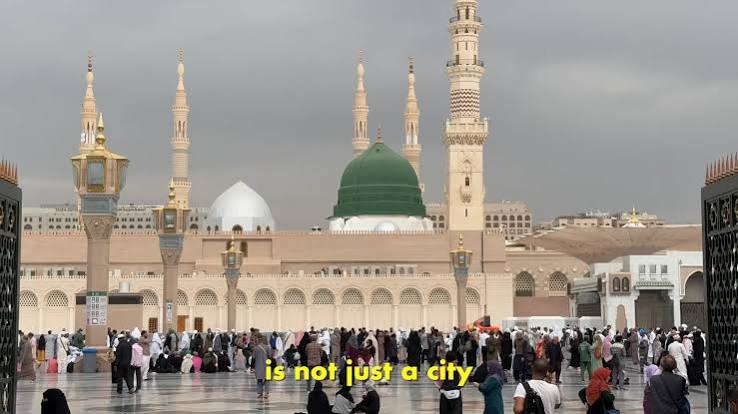
Madinah is one of the most important destinations for Muslims visiting Saudi Arabia for Umrah. After completing their pilgrimage in Makkah, many pilgrims travel to Madinah to visit Masjid an-Nabawi, pray in the mosque, seek access to Rawdah, and explore historical places connected with the life of Prophet Muhammad ﷺ and his companions.
A well-planned Madinah Ziyarat can make these visits more meaningful. Instead of rushing from one location to another, pilgrims can learn the history behind each site, organize nearby locations into the same route, and allow enough time for prayer and reflection.
This Madinah Ziyarat Guide 2026 covers some of the most important places to visit, practical planning advice, Masjid an-Nabawi access information, and tips for making your visit comfortable and organized.
What Does Madinah Ziyarat Mean?
The word Ziyarat means visiting. In the context of Madinah, it commonly refers to visiting places associated with Islamic history, including Masjid an-Nabawi, historic mosques, battle sites, cemeteries, and locations connected with the Prophet ﷺ and his companions.
Ziyarat is not simply about checking locations off a sightseeing list. Learning the historical background before visiting can help you appreciate the significance of each place.
Some popular Madinah Ziyarat locations include:
- Masjid an-Nabawi
- Rawdah
- Jannat al-Baqi
- Masjid Quba
- Masjid Qiblatain
- Jabal Uhud
- The Seven Mosques area
- Masjid al-Ghamamah
- Bir Ghars
- Other historically significant locations around Madinah
Masjid an-Nabawi: The Heart of Madinah
Masjid an-Nabawi is the central destination for pilgrims visiting Madinah. The mosque is associated with the Prophet ﷺ and is one of the most important places in the Islamic world.
Pilgrims should allow plenty of time for prayer and worship rather than treating the mosque as simply another stop on a sightseeing itinerary.
Because access arrangements and crowd-management procedures can change, check current official guidance before visiting.
Rawdah: What Pilgrims Should Know
Rawdah, also known as Riyad al-Jannah, is an especially significant area within Masjid an-Nabawi.
Access is controlled, and pilgrims should check the latest official arrangements before planning their visit. The current article notes that permits are handled through the Nusuk platform, while access arrangements can vary by gender, time, season, and crowd conditions.
If you receive an approved visiting slot, arrive with enough time to locate the correct entrance and follow staff instructions.
Practical Rawdah Tips
Before entering, prepare your duas so you are not trying to organize everything while moving with a crowd.
It is useful to:
- Check your permit information in advance.
- Arrive early enough to find the designated entrance.
- Follow security and staff instructions.
- Avoid pushing or rushing.
- Keep your belongings organized.
- Focus on worship rather than photography.
- Be considerate of other pilgrims.
Gate numbers and access arrangements should be verified close to your visit because mosque operations can change.
Jannat al-Baqi
Jannat al-Baqi is the historic cemetery adjacent to Masjid an-Nabawi. Many prominent members of the Prophet’s ﷺ family and numerous companions are associated with this cemetery.
For pilgrims visiting the cemetery, respectful behavior is essential.
Visitors should:
- Follow the current entry rules.
- Recite the appropriate supplication for visiting graves.
- Maintain a quiet and respectful manner.
- Follow instructions from security personnel.
- Avoid treating the cemetery as a photography location.
Entry arrangements can vary, including rules affecting different groups of visitors, so check current guidance rather than relying on an old itinerary.
Masjid Quba
Masjid Quba is among the most important historical mosques in Madinah and is widely recognized as the first mosque established in Islam.
The mosque is located outside the central area of Masjid an-Nabawi, making it practical to combine with nearby historical locations when planning a private or group tour.
A visit to Masjid Quba can be included in a dedicated Madinah Ziyarat route rather than treated as a quick stop.
Allow time to pray, reflect, and appreciate the history of the location.
Bir Ghars
Bir Ghars is another historically significant location associated with Madinah.
Although it may not receive the same attention as Masjid Quba or Jabal Uhud, travelers interested in Islamic history may want to learn about the site before visiting.
Because access to smaller historical locations can change, confirm whether the site is currently accessible to visitors before adding it to your itinerary.
Jabal Uhud
Jabal Uhud is one of the most significant historical locations around Madinah.
The area is associated with the Battle of Uhud, which took place in 3 AH. The battle holds an important place in Islamic history and is discussed extensively in Islamic sources.
Visiting Uhud becomes much more meaningful when you understand the events that took place there.
What Can You See at Uhud?
Depending on current access arrangements, visitors may see:
- The Uhud mountain area
- The location associated with the battle
- The area of the martyrs’ cemetery
- Surrounding historical landmarks
The terrain can be uneven, and temperatures can become uncomfortable, particularly during warmer months. Comfortable footwear, water, and sensible timing are therefore important.
For many pilgrims, visiting Uhud early in the day is more comfortable than arriving during the hottest part of the afternoon.
The Seven Mosques Area
The Seven Mosques area is associated with the Battle of the Trench, also known as Ghazwa al-Khandaq.
The area includes several small mosques historically associated with the positions of companions during the events surrounding the battle.
The commonly referenced locations include:
- Masjid al-Fath
- Masjid Salman al-Farsi
- Masjid Abu Bakr
- Masjid Umar
- Masjid Ali
The exact historical status and naming of individual structures can be discussed differently in historical sources, so visitors interested in detailed history should consult reliable scholarly references.
The geographical setting itself helps visitors understand why the area was strategically important during the Battle of the Trench.
Masjid Qiblatain
Masjid Qiblatain is known as the Mosque of the Two Qiblas.
The mosque is associated with the historical event in which the direction of prayer was changed from Jerusalem toward the Kaaba in Makkah.
Today, the mosque has modern architecture, but its historical significance remains an important reason for pilgrims to include it in their Madinah itinerary.
Because Qiblatain and the Seven Mosques area are located in the same general part of Madinah, they can often be grouped into one transportation route.
Masjid al-Ghamamah
Masjid al-Ghamamah is located close to Masjid an-Nabawi and is associated with prayers led by the Prophet ﷺ.
Its name is commonly connected with the Arabic word for cloud.
Because it is close to the Prophet’s Mosque, pilgrims may be able to include it while exploring the central area of Madinah rather than arranging a separate long-distance trip.
Check current opening and prayer arrangements before planning an interior visit.
How to Organize Your Madinah Ziyarat Route
One of the best ways to avoid unnecessary travel is to group locations according to their geographical areas.
A practical itinerary could look like this:
Route One: Central Madinah
Start around Masjid an-Nabawi and visit nearby locations such as:
- Masjid an-Nabawi
- Rawdah, if permitted
- Jannat al-Baqi, subject to current access
- Masjid al-Ghamamah
Route Two: Northern and Northwestern Sites
Combine locations such as:
- Jabal Uhud
- Seven Mosques
- Masjid Qiblatain
Route Three: Southern Madinah
A separate trip can include:
- Masjid Quba
- Bir Ghars
- Other accessible historical locations nearby
This approach reduces unnecessary driving and gives you more time at each destination.
Should You Hire a Private Car?
Private transportation can be useful for families and groups because it allows you to arrange the route according to your schedule.
Before agreeing to a private-car price, clarify:
- Total price
- Number of hours
- Number of passengers
- Waiting time
- Number of stops
- Vehicle type
- Pickup and drop-off locations
Do not assume that a driver will wait at every location unless this has been agreed beforehand.
Best Time for Madinah Ziyarat
The best time depends on the season and your personal tolerance for heat.
During warmer months, early morning can be more comfortable for outdoor locations such as Jabal Uhud. During cooler periods, pilgrims generally have greater flexibility.
If you are visiting during Ramadan or another particularly busy period, expect larger crowds and allow extra time for transportation and access procedures.
What Should You Take With You?
A simple Madinah Ziyarat day bag can include:
- Water
- Comfortable footwear
- Phone
- Power bank
- Required medication
- Tissues
- Small prayer items
- Identification and essential booking information
Avoid carrying unnecessary valuables.
Comfortable shoes are particularly important because some sites involve walking on uneven ground.
Important Gate and Timing Advice
Gate numbers and access schedules at Masjid an-Nabawi are useful for orientation, but pilgrims should not rely on old blog posts as permanent instructions.
The current guide identifies several gates used for different access arrangements, including gates around the eastern and northern sides of the mosque. However, access can be modified because of crowd management, prayer times, maintenance, special seasons, or security arrangements.
Before leaving your hotel, check the latest official information and follow the instructions displayed at the mosque.
The same principle applies to Jannat al-Baqi, Rawdah, and smaller historical sites.
Common Madinah Ziyarat Mistakes
Several simple mistakes can make a Ziyarat day unnecessarily stressful.
Avoid:
- Trying to visit every site in one rushed day
- Traveling during the hottest part of the day
- Ignoring current access restrictions
- Relying on outdated gate information
- Carrying excessive luggage
- Spending the entire visit taking photographs
- Forgetting water
- Not checking transportation arrangements
- Assuming every historical location is currently open
A slower itinerary is often more enjoyable than trying to complete a long checklist.
Frequently Asked Questions
How many days are enough for Madinah Ziyarat?
One full day can cover several major locations, but two days provide a much more relaxed experience, especially for families and travelers who want time for prayer and reflection.
What is the most important place to visit in Madinah?
Masjid an-Nabawi is the central destination for pilgrims. Other sites can then be selected according to your interests, available time, and current access arrangements.
Do I need a permit for Rawdah?
Access requirements can apply, and pilgrims should check the latest official Nusuk arrangements before planning their visit.
Can I visit all Madinah Ziyarat sites in one day?
It is possible to visit several major locations in one day, but trying to see everything can make the experience rushed. Grouping nearby sites and allowing sufficient time is usually better.
Should I book a private car?
A private car can be convenient for families and groups, especially when visiting locations spread around Madinah. Compare the total price and confirm the driver’s waiting arrangements before booking.
Final Thoughts
A successful Madinah Ziyarat is about more than visiting as many locations as possible. Understanding the history behind each site, planning a sensible route, checking current access arrangements, and leaving enough time for prayer can make the experience much more meaningful.
Start with Masjid an-Nabawi and plan other locations around it. Group Jabal Uhud, Qiblatain, and the Seven Mosques into a suitable route, while Masjid Quba and nearby sites can be planned separately. Most importantly, verify current gate numbers, timings, permits, and access rules shortly before your visit because these details can change.
Madinah has an extraordinary connection with Islamic history. With thoughtful preparation, your Ziyarat can become more than a sightseeing trip—it can be an opportunity to learn, reflect, and appreciate the places connected with the early Muslim community.
