
Introduction
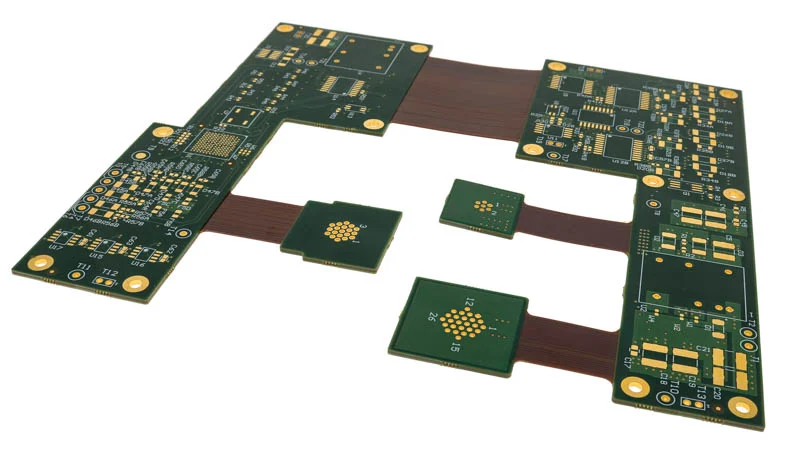
Rigid flex pcb design is becoming more important as modern electronics get smaller, lighter, and more powerful. This type of circuit board combines rigid and flexible layers into one structure, allowing devices to bend and fit into tight spaces without losing performance. From medical devices to smartphones and aerospace systems, engineers rely on this technology to create reliable and compact products that meet high industry standards.
To achieve the best results, designers need the right tools, knowledge, and workflow. Using trusted solutions like FastTurn PCB services can make the process smoother, faster, and more accurate. In this article, we will explore the essential tools required for efficient rigid flex pcb design and how they help improve quality, reduce errors, and speed up production.
Understanding the basics of rigid flex pcb design
Before selecting tools, it is important to understand what rigid flex pcb design involves. This design combines flexible circuits with rigid boards, connected through plated through holes. The flexible parts allow bending, while the rigid sections hold components securely. This combination reduces the need for connectors and cables, making devices more reliable and compact.
Designers must also consider factors like bend radius, layer stack-up, and material selection. These elements affect how the board performs under stress and over time. Using professional tools and services like FastTurn PCB helps ensure that all these aspects are handled correctly from the beginning, reducing costly mistakes later in the process.
Advanced PCB design software
One of the most important tools for rigid flex pcb design is advanced PCB design software. Programs like Altium Designer, Eagle, and KiCad allow engineers to create detailed schematics and layouts. These tools offer features such as 3D visualization, design rule checks, and simulation capabilities that help designers see how the board will behave before manufacturing.
Good software also supports rigid-flex specific features, such as defining flexible regions and setting bend areas. This makes it easier to design complex boards with confidence. When paired with manufacturing support from FastTurn PCB, these tools ensure that designs are accurate and ready for production without unnecessary revisions.
Simulation and testing tools
Simulation tools play a key role in improving the performance of rigid flex pcb design. These tools allow designers to test electrical behavior, thermal performance, and mechanical stress before the board is built. By identifying problems early, engineers can save time and reduce costs.
Thermal simulation helps prevent overheating, while mechanical testing ensures the board can handle bending without damage. Signal integrity analysis also ensures that data flows smoothly through the circuit. Combining simulation tools with FastTurn PCB services creates a strong design-to-production workflow that improves reliability and efficiency.
Material selection and stack-up planning tools
Choosing the right materials is critical in rigid flex pcb design. Specialized tools help engineers select materials that offer the right balance of flexibility, durability, and electrical performance. Polyimide is a common material for flexible layers, while FR4 is often used for rigid sections.
Stack-up planning tools allow designers to define layer structures, thickness, and copper weight. These tools ensure that the board meets both electrical and mechanical requirements. With support from FastTurn PCB, designers can access expert guidance on material selection and stack-up design, ensuring the final product meets industry standards.
Design rule check and validation tools
Design rule check tools are essential for ensuring that a rigid flex pcb design meets manufacturing requirements. These tools automatically check for errors such as spacing issues, incorrect trace widths, and layer misalignment. Catching these problems early helps avoid delays and additional costs.
Validation tools also ensure that the design follows industry standards and guidelines. This is especially important for complex rigid-flex boards, where small mistakes can lead to major failures. By using these tools along with FastTurn PCB services, designers can confidently move from design to production with fewer risks.
Prototyping and manufacturing support
Prototyping is a crucial step in rigid flex pcb design. It allows engineers to test their designs in real-world conditions and make improvements before full production. Fast and reliable prototyping services, like those offered by FastTurn PCB, help speed up this process and ensure high-quality results.
Manufacturing support tools also play a role in improving efficiency. These tools help generate files, manage production data, and communicate with manufacturers. Working with an experienced partner like FastTurn PCB ensures that prototypes are accurate and production-ready, reducing turnaround time and improving overall product quality.
Collaboration and project management tools
Effective collaboration is key to successful rigid flex pcb design. Engineers, designers, and manufacturers must work together to ensure that every detail is correct. Project management tools help teams stay organized, track progress, and communicate clearly throughout the design process.
Cloud-based platforms allow teams to share files, review designs, and make updates in real time. This improves efficiency and reduces misunderstandings. When combined with the expertise of FastTurn PCB, these tools help teams deliver high-quality designs on time and within budget.
Conclusion
Efficient rigid flex pcb design requires a combination of the right tools, proper knowledge, and reliable manufacturing support. From advanced design software and simulation tools to material selection and prototyping services, each tool plays a vital role in creating high-performance circuit boards. By using these tools effectively, designers can reduce errors, improve reliability, and speed up production.
Partnering with trusted providers like FastTurn PCB further enhances the design process by offering expert guidance, fast turnaround times, and high-quality manufacturing. As technology continues to evolve, having the right tools and support will remain essential for creating innovative and reliable rigid flex pcb solutions
