
Across modern European football, Serie A still carries a reputation for tactical structure and slower rhythm, which makes the league’s more static sides particularly vulnerable when opponents raise the tempo with pressing and rapid transitions. Teams that cannot handle that pace do not just lose energy battles; they concede territory, misplay simple passes, and allow high‑value chances in sequences that unfold before they can reorganize.
Why High-Tempo Football Exposes Certain Serie A Teams
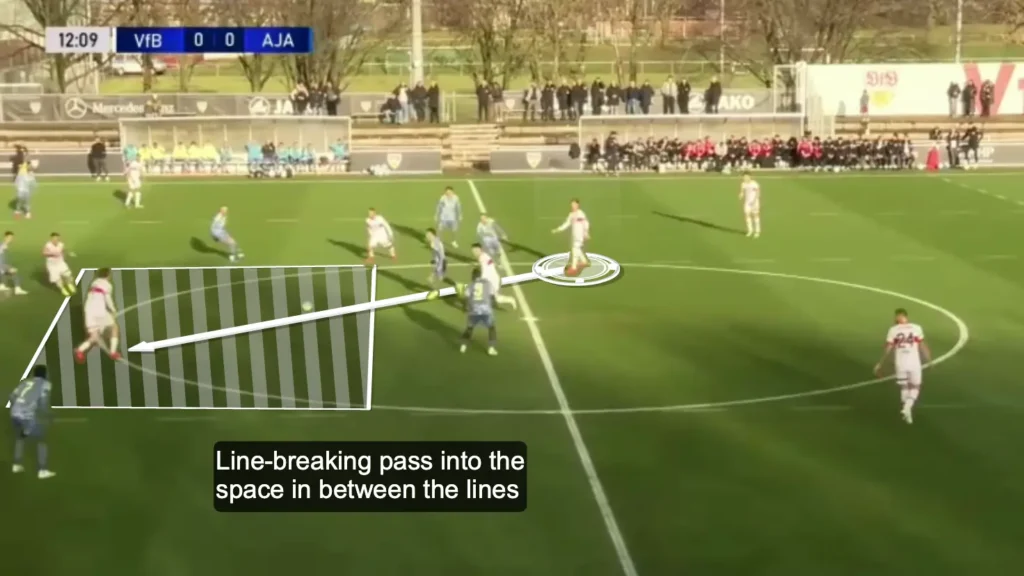
High‑tempo football compounds three stresses at once: physical intensity, speed of decision, and compressed space, and teams that are tuned to patient positional play often lack the habits to solve all three simultaneously. When opponents press aggressively and attack quickly after regains, slower Serie A sides struggle to reset their defensive shape in time, leaving gaps between lines that fast, vertical attacks can exploit before typical zonal structures are restored.
Historically, many Italian clubs prioritized conservative shapes, deep blocks, and measured buildup, which worked well domestically but looked fragile when facing more dynamic European opponents. That tactical conservatism meant squads were not built around explosive runners or press‑resistant midfielders, so when the tempo rose, they tended to retreat, foul, or give the ball away, turning matches into prolonged defending exercises rather than controlled contests.
Structural Traits of Teams That Struggle With Pace
Teams that suffer against high tempo usually show recurring structural weaknesses that become obvious under pressure rather than in slow games. They often use back lines and midfields that excel at holding a compact block but lack defenders comfortable defending large spaces behind or beside them, which is exactly where fast transitions strike.
In possession, those same sides may rely on intricate passing through the middle with players who prefer extra touches, making them easy targets for coordinated presses. Once pressed, their centre-backs and deeper midfielders resort to long, hopeful balls or horizontal passes that get intercepted, immediately restarting the cycle of pressure and forcing them into repeated emergency defending.
How These Weaknesses Appear in Real Matches
On the pitch, an inability to cope with tempo shows up first in the build‑up phase, where pressed teams lose the ball earlier and closer to their own goal. Tactical reports on Serie A fixtures often describe high‑pressing opponents forcing sides into rushed clearances, disrupted rhythms, and costly turnovers, especially when centre-backs and goalkeepers lack composure under intense pressure.
Another visible pattern lies in defensive transitions, where slow‑reacting teams are caught with full-backs high and central midfielders ahead of the ball, leaving centre‑backs isolated against quick forwards. Match analyses of games involving rapid attacking sides show goals or major chances stemming from lost duels right after turnovers, with defenders unable to match the acceleration of runners who attack open channels before help arrives.
Mechanisms of Collapse Under High Tempo
The mechanism of collapse usually starts with a miscontrolled pass or a pressured turnover in midfield, which immediately puts the slower side on the back foot. The pressing team then drives forward with two or three runners attacking different lanes, forcing defenders to make split‑second choices about which threat to track, while their midfield partners are still behind play and cannot cover.
As this happens repeatedly, the struggling team’s back line drops deeper to avoid balls in behind, creating more space between lines where opponents can receive and accelerate again. Over time, this cycle erodes confidence and cohesion, leading to late tackles, increased fouling, and a higher volume of shots conceded from dangerous central areas because the defensive block never fully resets after the initial transition.
Indicators Bettors Can Use in Pre‑Match Assessment
From a pre‑match standpoint, the question is not just whether a team prefers a slower rhythm, but whether its squad and recent performances show specific vulnerabilities against pressing and transitions. Key indicators include how many turnovers they suffer in their own half, how frequently they concede shots from fast breaks, and whether their defensive line tends to retreat early rather than holding a more aggressive position when opponents counter.
You can also weigh coaching trends: some managers have deliberately lowered pressing intensity in favour of compact blocks, which can leave their teams exposed when facing sides that raise the tempo. Pre‑match analysis that blends metrics on pressing (such as PPDA) with observational notes on how a team handled recent high‑energy opponents offers a far more reliable picture than simply labeling a club “slow” or “defensive.”
Table: How Tempo Vulnerability Shows Up in Data
Before comparing different signs of tempo-related weakness, it helps to connect typical match events with the underlying causes, so pre‑match assessments have specific patterns to monitor rather than vague impressions. The following table does not attribute numbers to individual clubs but maps common symptoms you can check in statistical dashboards or match reports, which then guide how you interpret upcoming fixtures involving potentially vulnerable teams.
| Symptom in stats or reports | Likely underlying cause | Pre‑match impact to consider |
| High turnovers in defensive third per match | Back line and pivot not comfortable under pressure, slow decision‑making | Greater risk when facing high‑pressing opponents, higher chance of cheap chances conceded early |
| Above‑average shots faced from fast breaks | Poor counter‑pressing and slow recovery runs after losing the ball | Increased volatility in scorelines, especially against teams that thrive in transition |
| Declining pressing metrics (e.g., higher PPDA) | Tactical shift toward deeper, less aggressive blocks | More time and space granted to dynamic opponents, risk of being pinned back under sustained tempo |
When those symptoms stack together, they paint a picture of a side that might look stable in slower matches but cracks once the rhythm accelerates. For pre‑match analysis, that combination encourages a more cautious view of their defensive reliability, especially when facing opponents with proven capacity to press high or attack quickly after regains.
Using Sportsbook Structures to Frame Tempo Risks (UFABET Paragraph Inside)
From a pre‑match angle, the structure of available football markets often reveals where tempo-based insight can matter most, particularly in totals, sides, and specific prop bets. When a matchup features a slower Serie A team facing an opponent known for sustained intensity and quick transitions, some analysts look at how that imbalance might translate into patterns of shots, corners, or early‑match pressure that go beyond basic league-table comparisons. In that context, if someone accesses odds through a broader betting destination such as ufabet168, the tactical reading of tempo vulnerability becomes a filter for identifying where lines might underestimate volatility—for instance, by making first‑half overs or card markets more interesting when historical evidence shows that the slower side frequently struggles to contain high‑energy opponents from the opening whistle.
When Serie A Teams Adapt Successfully to High Tempo
Not all Italian clubs remain stuck in older patterns; several have deliberately embraced more aggressive pressing and quicker transitions to close the gap with high‑tempo opponents. Data in recent seasons highlights teams that have raised pressing intensity and improved their ability to generate non‑penalty expected goals from dynamic attacking sequences, reflecting recruiting and coaching decisions aimed at thriving in faster games rather than merely surviving them.
These adaptations reduce the tempo gap that used to define many Serie A clashes with energetic European sides and increasingly even within the league itself. As more teams balance structured defending with better counter‑pressing and rapid ball progression, the number of fixtures where one side is clearly unable to cope with pace shrinks, which is important to keep in mind when older narratives about “slow” Italian football no longer match current evidence.
Distinguishing Structural Weakness from Random Bad Days
Sometimes a heavy defeat against a fast opponent reflects a genuine structural issue, but sometimes it is just a bad day where early goals and red cards distort the picture. Survival‑battle analyses of recent Serie A seasons show teams conceding heavily in isolated matches without consistently poor defensive metrics, indicating that one match alone cannot prove they are fundamentally vulnerable to tempo.
To separate noise from signal, you need to track whether a side repeatedly concedes multiple goals when facing pressing or transition‑oriented opponents, and whether those games share common patterns of turnovers and stretched defensive lines. When those features recur across different coaches and squad iterations, they point to deeper tactical or recruitment problems; when they do not, it is safer to treat the outlier result with caution in pre‑match planning.
Reading Tempo Vulnerability in Environments That Also Host Casino Products
In some digital ecosystems that carry football alongside other forms of wagering, the coexistence of structured sports markets and random games can blur how people think about risk and prediction. High‑tempo vulnerabilities, however, belong firmly in the sports analytics domain, where repeated patterns, tactical choices, and statistical indicators allow for reasoned pre‑match expectations that differ fundamentally from the probabilistic simplicity of a casino online setting embedded in the same interface. Recognizing that distinction means treating insights about pressing and transitions as tools for evaluating football-specific markets only, rather than assuming that observing a team’s struggle with pace offers any edge in non‑sport games whose outcomes remain entirely detached from tactical context.
Summary
The idea that some Serie A teams cannot cope with high‑tempo football is grounded in both historical patterns and current tactical evidence, especially where conservative structures and slower players are exposed by pressing and rapid transitions. For pre‑match analysis, the key is to connect that vulnerability to concrete indicators—turnovers under pressure, shots conceded from fast breaks, declining pressing intensity—and weigh those signals against signs of adaptation, rather than relying on outdated stereotypes about Italian football’s pace.
