
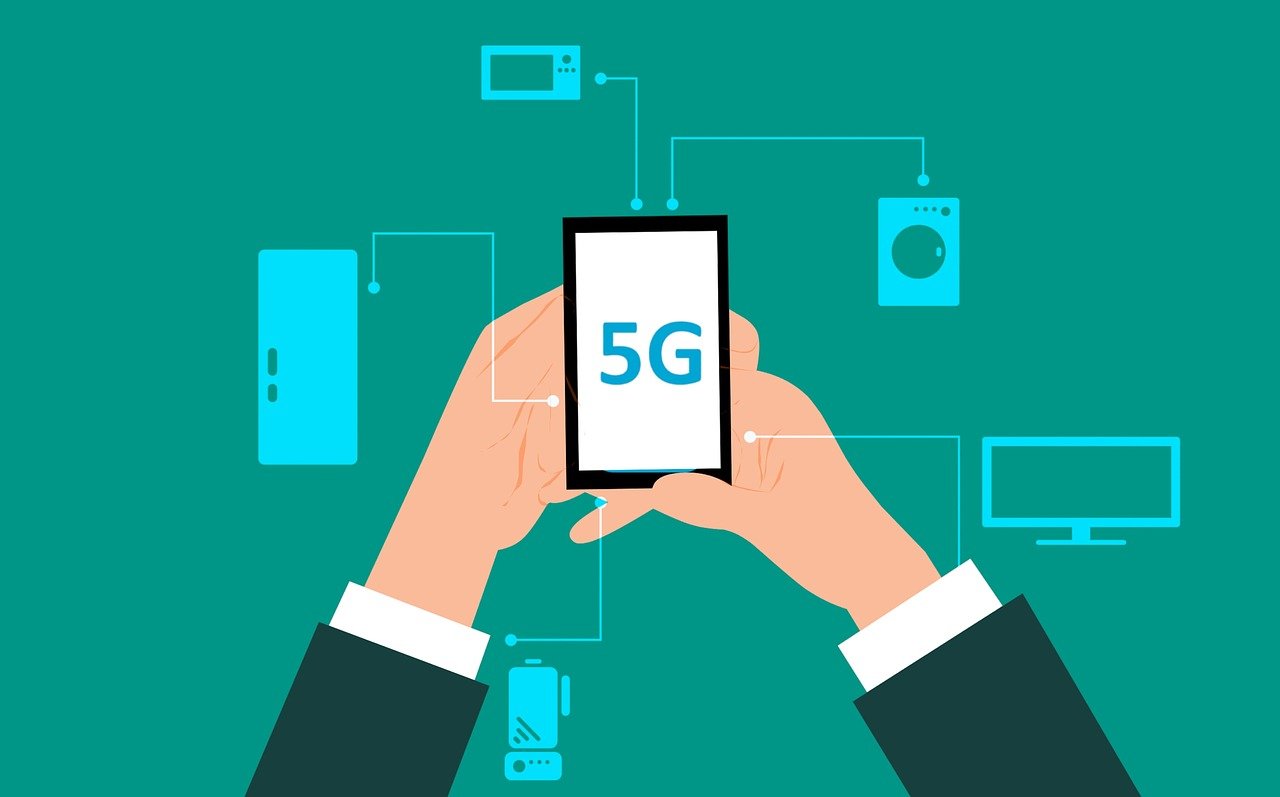
Connectivity moves in stages. 4G enabled widespread streaming, and 5G delivered faster speeds with lower latency across devices and industries. Research now focuses on 6G, even as 5G continues to expand. The key question is whether the next generation will bring modest improvements or reshape digital interaction.
Modern networks already support immersive services and live platforms where stability and minimal delay matter. Real-time formats such as the royal roulette online game rely on steady data flow to ensure accuracy and fairness. If 6G meets its targets, interactions like these could feel almost instantaneous and signal a broader technological shift.
The 5G Baseline: What Has Actually Changed?
5G marked a clear technical upgrade over 4G, though the everyday impact varies by region. Its core improvements extend beyond marketing claims.
Faster Speeds and Lower Latency
Compared to 4G, peak speeds increased significantly while latency dropped. Downloads finish in seconds under strong coverage, and lower response times enhance video calls, cloud platforms, and interactive services. The result is a more stable and responsive digital environment, particularly in well-equipped urban areas.
Industrial and Enterprise Applications
Adoption in industry highlights 5G’s broader impact. Manufacturers connect sensors and robotics through private networks, logistics companies track assets in real time, and hospitals test remote diagnostics over reliable wireless links. These examples show that 5G strengthens operational performance beyond consumer use.
What Is 6G? Early Definitions and Research Directions
6G remains in the research phase, with commercialization expected in the early 2030s. Governments, universities, and technology firms have outlined ambitious performance goals.
Expected Performance Benchmarks
Researchers outline data rates that could reach terabits per second in ideal scenarios. Latency targets approach microseconds, which would allow near-instant device communication. Capacity goals include support for billions of connected endpoints. These projections remain theoretical but guide current development plans.
Integration With AI-Native Networks
6G designs place artificial intelligence at the core of network management. AI could allocate spectrum, optimize traffic, and detect irregularities in real time. Automated control may reduce congestion and strengthen reliability. This model points toward infrastructure that adapts dynamically to demand.
Terahertz Spectrum and New Frequency Bands
Higher capacity requires exploration of terahertz frequencies beyond 5G ranges. These bands support massive data transfer but demand new antenna technology and shorter coverage distances. Urban areas would require denser infrastructure. Progress in materials and signal processing will shape practical deployment.
Beyond Speed: Structural Shifts 6G May Introduce
Speed captures attention, yet deeper structural changes could define 6G’s impact. Several areas stand out.
Holographic Communication
Ultra-high bandwidth may support realistic holographic interactions. Business meetings, education, and remote collaboration could adopt volumetric video instead of flat screens. Such a capability would reshape digital presence.
Expanded Internet of Everything
Billions of sensors, vehicles, appliances, and infrastructure systems could connect within unified ecosystems. Smart cities would coordinate traffic, utilities, and safety networks through continuous data exchange. Connectivity would extend into daily operations at scale.
Space-Based Connectivity
6G frameworks include integration with satellite networks. Rural and remote areas could gain improved access through non-terrestrial nodes. This approach aims to reduce geographic connectivity gaps.
Digital Twin Environments
Real-time digital replicas of factories, cities, or transportation systems would rely on rapid data synchronization. Engineers could simulate outcomes before implementing physical changes. This capability would enhance planning and predictive maintenance.
These structural shifts indicate that 6G research targets systemic transformation across industries.
The Infrastructure Challenge
Ambitious targets raise practical concerns. Dense antenna deployment increases capital expenditure and energy consumption. Devices must support new frequency bands, which affects hardware design cycles. Power efficiency remains critical as network complexity expands. Sustainability considerations will influence regulatory approvals and investment decisions.
Will Consumers Notice the Difference?
Consumers may not immediately perceive terabit speeds. However, immersive applications such as advanced augmented reality and seamless remote collaboration could depend on ultra-low latency. Smart home systems and connected vehicles may operate with greater precision. The visible impact will depend on service development that leverages technical gains.
Risks, Regulation, and Open Questions
Greater connectivity expands potential attack surfaces. Cybersecurity standards must evolve alongside network architecture. Data governance policies will face scrutiny as device density increases. International competition may influence standardization timelines and geopolitical strategy.
6G research signals a shift toward intelligent, distributed infrastructure. Its success will depend on technical breakthroughs, economic feasibility, and regulatory alignment. Whether it redefines connectivity will become clear as experimentation moves from laboratories to commercial deployment.
